

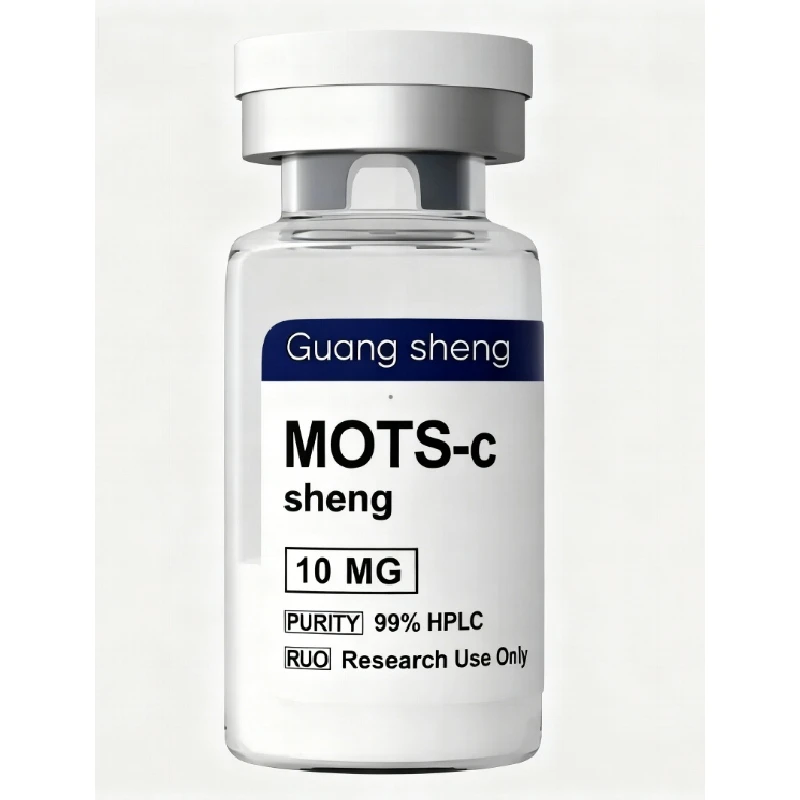
Ruypeptide Biotechnology Co., Ltd. is one of the most reliable manufacturers and suppliers of mots-c human in China. If you're going to buy high quality mots-c human made in China, welcome to get quotation from our factory. Also, discount information is available.
Core Molecular & Physicochemical Specifications
| Item | Details |
|---|---|
| Chemical Name | MOTS - c (Human) |
| Amino Acid Sequence | Met - Arg - Trp - Gln - Glu - Met - Gly - Tyr - Ile - Phe - Tyr - Pro - Arg - Lys - Leu - Arg (MRWQEMGYIFYPRKLR) |
| Molecular Formula | C₁₀₃H₁₅₆N₂₈O₂₄ |
| Molecular Weight | 2198.55 Da |
| CAS Number | 1627580 - 64 - 6 |
| PubChem CID | 135613747 |
| Purity Standard | Research - grade ≥98% (HPLC); Custom synthesis available for ≥99% |
| Formulation | White lyophilized powder; soluble in water (≥10 mg/mL), slightly soluble in DMSO |
| Stability | Stable at - 20°C for 2–3 years (sealed, desiccated); reconstituted solution stable at 4°C for 2 weeks |
| Key Quality Metrics | Endotoxin ≤0.1 EU/mg; Heavy metals ≤10 ppm; Water content ≤0.5% |
Mechanism of Action
MOTS - c acts via multi - pathway mito - nuclear coordination:
AMPK Activation: Inhibits the methionine - folate cycle, elevates AICAR (AMP analog), and activates AMPK to upregulate GLUT4, boosting glucose uptake and insulin sensitivity.
Mito - Nuclear Signaling: Translocates to the nucleus under metabolic stress (glucose restriction, oxidative stress) to regulate Nrf2, PGC - 1α, and antioxidant genes, enhancing stress resistance.
Metabolic Remodeling: Promotes fatty acid oxidation, reduces lipogenesis, and prevents diet - induced obesity by improving energy expenditure.
Tissue - Specific Effects: Enhances muscle mitochondrial biogenesis, protects cardiac function via antioxidant pathways, and mitigates NASH via Bcl - 2 stabilization.
Biological Functions & Application Fields
Core Physiological Effects
Metabolic Regulation: Reduces fasting glucose (by ~35%), HOMA - IR (by ~40%), and triglycerides (by 25–30%) in diabetic rodent models; prevents diet - induced obesity.
Muscle & Aging: Reverses age - dependent muscle insulin resistance, improves exercise capacity, and preserves muscle mass in aging mice.
Antioxidant & Anti - Inflammatory: Upregulates SOD/GSH activity, reduces MDA, and inhibits pro - inflammatory cytokines (TNF - α, IL - 6).
Organ Protection: Mitigates NASH progression, reduces cardiac mitochondrial damage, and supports bone metabolism.
Application Fields
| Field | Usage Scenarios |
|---|---|
| Metabolic Disease Research | Preclinical models of type 2 diabetes, obesity, and NASH; evaluating insulin sensitizers and lipid - lowering agents. |
| Aging & Longevity Studies | Investigating mitochondrial function decline and age - related muscle loss; testing anti - aging interventions. |
| Musculoskeletal Research | Enhancing muscle recovery, treating sarcopenia, and improving exercise performance in rodent models. |
| Cardiometabolic Protection | Studying cardiac function in diabetes/obesity and developing mitochondrial - targeted cardioprotective strategies. |
Production & Quality Control
Manufacturing Processes
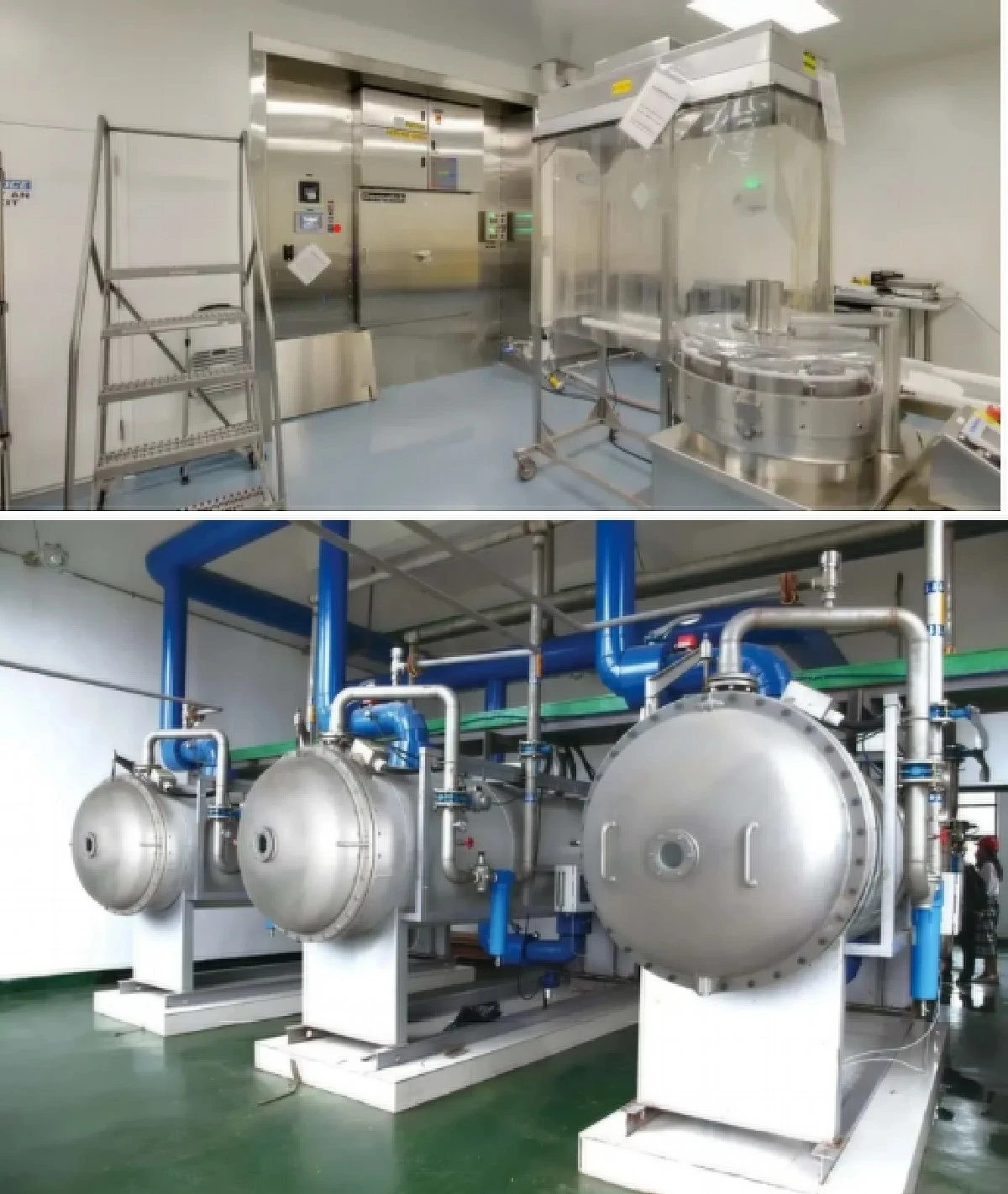
SPPS Synthesis: Fmoc - based solid - phase synthesis with Rink amide resin; purified by preparative RP - HPLC (C18 column, gradient elution).
Lyophilization: Freeze - dried to preserve activity; vacuum - sealed with desiccant to avoid moisture.
Quality Validation: Identity confirmed by mass spectrometry; purity verified via analytical HPLC; endotoxin tested via LAL assay.
Quality Testing Standards
| Test Item | Specification | Detection Method |
|---|---|---|
| Purity | ≥98% (Research Grade) | RP - HPLC (214 nm, acetonitrile/water with 0.1% TFA) |
| Identity | Matches reference standard | LC - MS, amino acid analysis |
| Endotoxin | ≤0.1 EU/mg | LAL chromogenic assay |
| Heavy Metals | ≤10 ppm | ICP - MS |
| Water Content | ≤0.5% | Karl Fischer titration |
Administration, Safety & Precautions
Administration Routes & Dosage
Rodent Injection: Intraperitoneal (IP) 5–20 mg/kg/day for 4–8 weeks; subcutaneous (SC) 1–5 mg/kg 3x/week for metabolic studies.
Cell Culture: 1–10 μM for in vitro glucose uptake or AMPK signaling assays.
Combination Therapy: Synergizes with exercise to enhance glucose disposal and oxidative stress reduction.
Safety Profile
Low Toxicity: LD₅₀ > 100 mg/kg in rodents; no acute organ toxicity reported.
Minimal Side Effects: Transient injection - site irritation; no off - target effects in preclinical studies.
Contraindications: Hypersensitivity to MOTS - c; caution in pregnant/lactating animals (limited data).
Regulatory Status: Research use only; banned by WADA for athletic performance enhancement (2024 onwards).
Handling Guidelines
Storage: Lyophilized powder at - 20°C; reconstituted solution at 4°C (avoid repeated freeze - thaw).
Reconstitution: Use sterile water or PBS (pH 7.0–7.4); avoid mixing with high - salt buffers.
Transport: Cold chain (2–8°C) to prevent degradation.
Key Advantages & Limitations
Advantages
Exercise - Mimetic Effects: Recapitulates metabolic benefits of exercise without physical training, ideal for sedentary/aged models.
Mito - Nuclear Coordinator: Unique ability to link mitochondrial stress to nuclear gene expression, enabling systemic homeostasis.
Multi - Organ Utility: Effective in metabolic, muscle, cardiac, and hepatic models, supporting cross - disciplinary research.
Well - Characterized: Extensive preclinical data on mechanism and efficacy, accelerating hypothesis testing.
Limitations
Short Half - Life: Plasma half - life ~30–60 minutes; requires frequent dosing or sustained - release formulations.
Species Specificity: Human sequence differs from murine; cross - species studies need sequence - matched peptides.
Preclinical Only: Limited human data; clinical translation requires dose - ranging and safety trials.

1. Molecular & Physical Properties
Amino Acid Sequence: Ala-His-Lys-Cu, formed by chelating the tripeptide alanyl-histidyl-lysine with copper ions.
Purity: ≥99% (HPLC verified), ensuring high bioactivity and minimal impurities.
Physical Appearance: Deep blue lyophilized powder, highly water-soluble for easy formulation into solutions, creams, or injectables.
Stability: Optimal storage at -20℃; stable for 24 months when sealed from light and moisture; avoid high temperatures to prevent copper ion dissociation.
2. Core Biological Mechanisms
Collagen & Elastin Synthesis: It upregulates the expression of TGF-β and matrix metalloproteinase inhibitors (TIMPs), stimulating fibroblasts to produce type I/III collagen and elastin. This enhances skin elasticity, reduces fine lines, and improves skin texture.
Antioxidant & Anti-inflammatory Effects: The copper ion moiety scavenges free radicals (e.g., superoxide anion, hydroxyl radicals) to mitigate oxidative stress. It also inhibits NF-κB pathways, reducing the release of pro-inflammatory cytokines (TNF-α, IL-6) and alleviating tissue inflammation.
Hair Follicle Activation: It extends the anagen (growth) phase of hair follicles, increases dermal papilla cell proliferation, and improves microcirculation around hair follicles, which aids in reversing hair miniaturization associated with androgenetic alopecia.
Wound Healing Acceleration: By promoting angiogenesis and fibroblast migration, it speeds up granulation tissue formation and epithelialization, shortening recovery time for acute and chronic wounds (e.g., burns, diabetic ulcers).
3. Application Scenarios
Dermatological Cosmetics: Added to anti-aging serums, creams, and masks to improve skin firmness, fade wrinkles, and repair photodamaged skin.
Trichological Research: Used in topical formulations or scalp injections for androgenetic alopecia treatment and hair regrowth studies.
Regenerative Medicine: Applied in wound care dressings and tissue engineering scaffolds to enhance skin and soft tissue repair.
Laboratory Research: Serves as a tool compound for studying copper peptide biology, oxidative stress, and tissue regeneration mechanisms.
4. Safety & Advantages
Non-immunogenic, with no reported allergic reactions or systemic side effects in topical use.
Biodegradable, breaking down into natural amino acids and copper ions that are metabolized by the body.
Compatible with most cosmetic and pharmaceutical excipients (e.g., hyaluronic acid, glycerin), suitable for multi-component formulations.



Hot Tags: mots-c human, China mots-c human manufacturers, suppliers


