

As a supplier of High Purity AHK - CU, one of the most common questions I receive is about the boiling point of this compound. In this blog post, I'll delve into what High Purity AHK - CU is, why its boiling point matters, and what the current scientific understanding of its boiling point is.
What is High Purity AHK - CU?
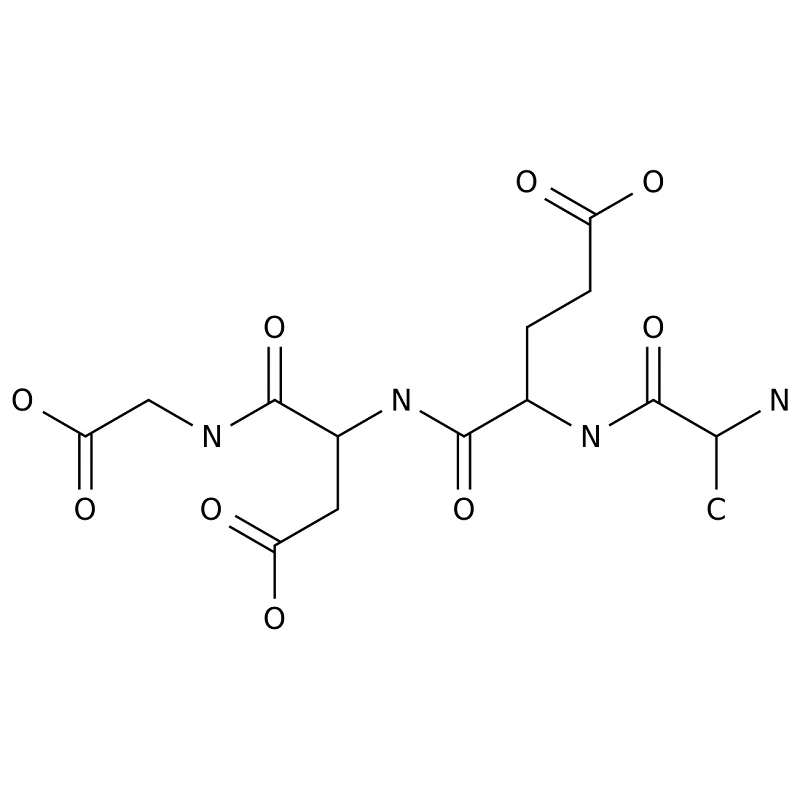
High Purity AHK - CU is a compound with a wide range of potential applications, particularly in the field of peptide research. It belongs to a class of substances that have shown promise in various biological and physiological studies. The "high purity" aspect is crucial as it ensures that the compound is free from significant impurities, which could otherwise affect its performance and the results of any experiments or studies it is used in. You can find more information about High Purity AHK - CU on our website.
Why Does the Boiling Point Matter?
The boiling point of a compound is a fundamental physical property. It is the temperature at which the vapor pressure of the liquid equals the external pressure surrounding the liquid, causing the liquid to change into vapor. For High Purity AHK - CU, knowing the boiling point is essential for several reasons.
In a research or manufacturing setting, the boiling point can be used to purify the compound through distillation. If the boiling point of AHK - CU is well - defined, it becomes possible to separate it from other substances in a mixture by heating the mixture to a temperature where AHK - CU vaporizes while other substances remain in the liquid phase. This is a common technique in chemical purification processes.
Moreover, the boiling point can provide insights into the intermolecular forces within the compound. Stronger intermolecular forces generally result in a higher boiling point. Understanding these forces can help researchers predict how the compound will interact with other substances, which is crucial in drug development and other applications.
Determining the Boiling Point of High Purity AHK - CU
Determining the boiling point of a compound like High Purity AHK - CU is not straightforward. It requires specialized equipment and careful experimental procedures. Factors such as the presence of impurities, the external pressure, and the heating rate can all affect the observed boiling point.
In a well - controlled laboratory environment, a researcher would typically use a device called a distillation apparatus. The High Purity AHK - CU sample is placed in a flask, and the temperature is gradually increased while monitoring the pressure and the state of the compound. As the temperature approaches the boiling point, the compound begins to vaporize, and this transition is carefully recorded.
However, it's important to note that as of now, specific research on the exact boiling point of High Purity AHK - CU may be limited. This could be due to the relatively niche nature of the compound and the fact that it is still being explored for its potential applications.
Related Compounds and Their Properties
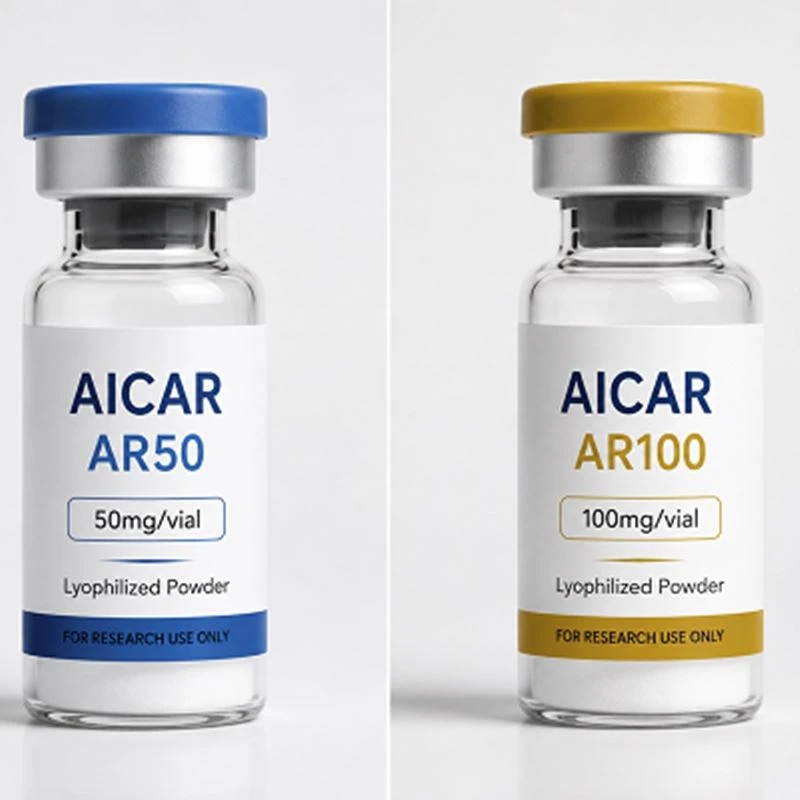
To gain a better understanding of High Purity AHK - CU, it can be helpful to look at related compounds. For example, Aicar 50 is another compound that is often used in peptide research. Aicar 50 has its own set of physical and chemical properties, including a boiling point that is determined by its molecular structure and intermolecular forces.
Similarly, ET EPI is a compound that shares some similarities with High Purity AHK - CU in terms of its potential applications in biological studies. By comparing the properties of these related compounds, researchers can make more informed predictions about the behavior of High Purity AHK - CU.
Applications and the Boiling Point
The boiling point of High Purity AHK - CU can also impact its applications. In the pharmaceutical industry, for example, the boiling point can influence the formulation of drugs. If a drug contains High Purity AHK - CU, the manufacturing process may need to take into account the boiling point to ensure that the compound remains stable and effective during production.
In research, the boiling point can affect the experimental design. For instance, if a researcher is conducting an experiment that involves heating the compound, they need to know the boiling point to avoid vaporizing the compound prematurely and losing it from the reaction mixture.
Other Compounds in Our Product Line
In addition to High Purity AHK - CU, we also offer other products that are relevant to peptide research. Mixing Tb500 is a product that requires careful handling and preparation, and understanding its physical properties, including boiling point (if applicable), is crucial for proper use.
Our BPC 5mg+TB5mg product is another example of a compound that is often used in combination studies. By providing high - purity versions of these compounds, we aim to support researchers in their quest to discover new applications and benefits.
Contact Us for Further Information
If you are interested in learning more about High Purity AHK - CU or any of our other products, we encourage you to reach out. Whether you are conducting research, involved in manufacturing, or simply curious about the properties of these compounds, our team of experts is here to assist you. We can provide you with detailed information, including any available data on the boiling point of High Purity AHK - CU, and work with you to meet your specific needs.
References
- General textbooks on organic chemistry for fundamental concepts of boiling points and molecular properties.
- Peer - reviewed research articles on peptide compounds related to High Purity AHK - CU for insights into similar substances' properties.